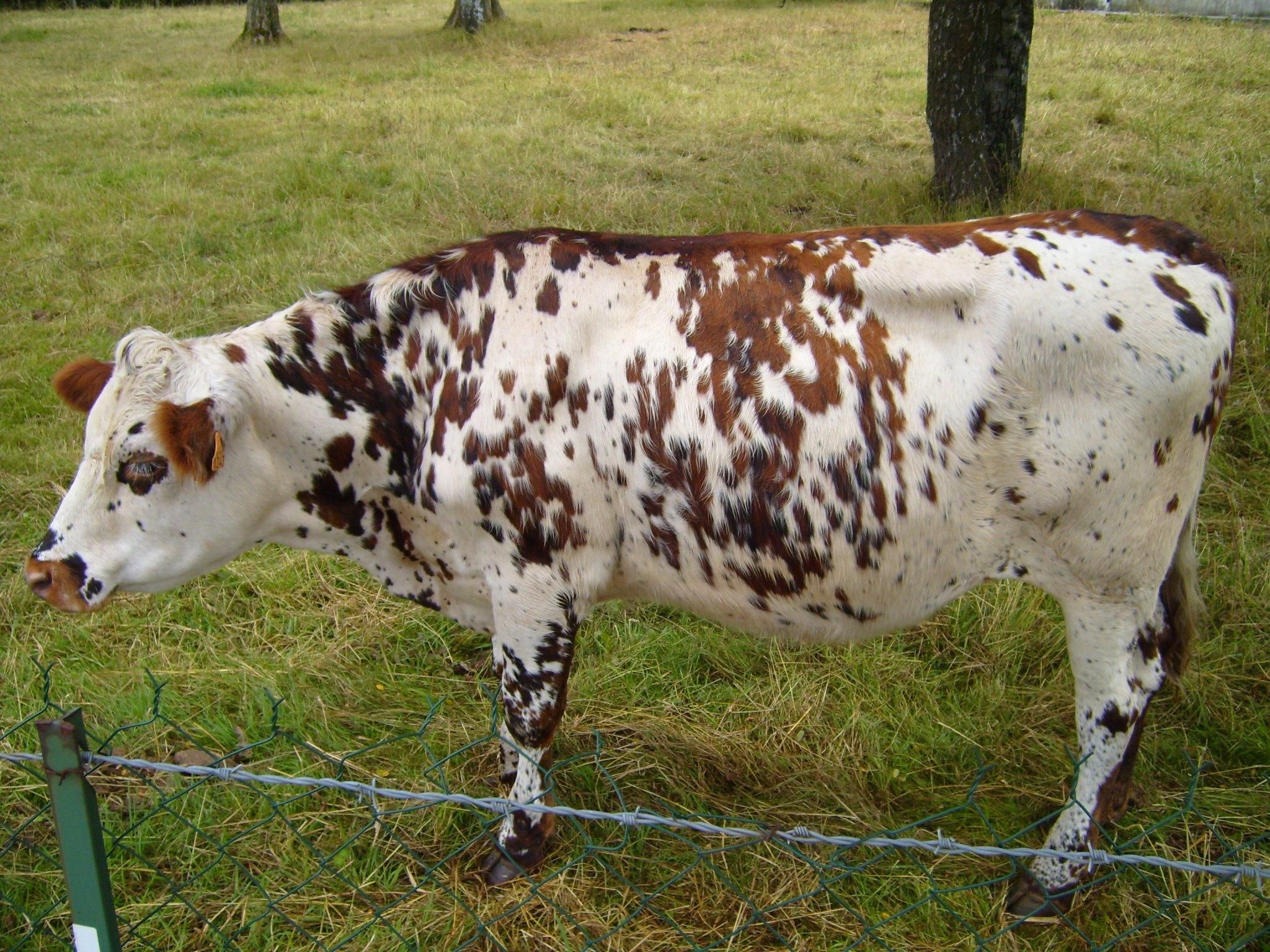
Livestock farm management in Germany operates within a layered regulatory and agronomic context. EU-level rules on animal welfare, nitrate management, and cross-compliance requirements under the Common Agricultural Policy (CAP) intersect with national and state-level livestock legislation. This article describes the main practical aspects of cattle farm management in Germany, covering housing, grazing, feeding, and regulatory obligations.
Housing Systems
The predominant housing system for dairy cattle in Germany is the loose housing system with cubicles (Liegeboxenlaufstall). Cows have free access to feeding, resting, and water areas. Tie stalls (Anbindehaltung) are still found on smaller farms, but their use has been declining due to animal welfare requirements and labor considerations.
Under the German Animal Welfare Act (Tierschutzgesetz) and the associated livestock regulations (Tierschutz-Nutztierhaltungsverordnung), housing must meet minimum standards for space, ventilation, light, and access to outdoor areas. For organic operations, additional requirements apply under EU Organic Regulation 2018/848 and its implementing rules.
Housing Types: Overview
| System | Description | Common in |
|---|---|---|
| Cubicle loose housing | Individual resting boxes, shared feeding and exercise areas | Dairy farms of all sizes |
| Straw-yard (deep litter) | Open bedded area with communal resting | Suckler herds, beef operations |
| Tie stall | Individual stalls with fixed positions | Smaller traditional farms |
| Automatic milking barn | Loose housing with voluntary milking robots | Mid-size dairy farms |
Grazing Systems
Outdoor access and grazing practices depend on farm location, farm type, and the production system. In grassland-rich regions such as Bavaria, Baden-Württemberg, and parts of Lower Saxony, seasonal grazing is common for dairy cattle. In areas with intensive arable land use or more variable weather, year-round indoor housing with regular outdoor access may be standard.
Rotational Grazing
Rotational grazing divides available pasture into paddocks that are grazed in sequence, allowing each section a recovery period. This system is used on farms seeking to maximize grass utilization and maintain sward quality. The appropriate stocking density and rotation interval depend on grass growth rates, which vary by soil type and climate across German regions.
Strip Grazing
Strip grazing uses temporary electric fencing to allocate a fresh strip of pasture daily or every two to three days. It allows precise control of herbage allocation and is used where maximum utilization of high-quality grass is the objective. Management demand is higher than with block rotation.
Feeding Strategies
Feed represents the largest cost item in cattle operations. German farms use a variety of approaches depending on breed, production level, and farm structure.
Total Mixed Ration (TMR)
The total mixed ration system combines forage (silage, hay) with concentrate components and any mineral supplementation into a single blended ration, delivered to the feed barrier. TMR is the standard on larger dairy farms because it allows consistent nutrient intake and simplifies feeding management. Ration formulation is typically supported by commercial feed advisors or by the regional agricultural advisory services (Landwirtschaftskammern).
Forage Base
Grass and maize silage form the backbone of cattle rations in Germany. Maize silage is particularly high in energy and digestibility, and is grown on a significant share of arable land in livestock-dense regions. Grass silage from permanent pastures and meadows provides fiber and protein.
The nutritive value of silage varies with harvest timing, fermentation quality, and storage conditions. Dry matter content, pH, and aerobic stability are key parameters assessed in silage analysis, which many farms undertake through agricultural laboratories.
Herd Health Management
Herd health in German cattle operations is governed by veterinary law and the national animal disease control framework. Mandatory measures include identification and registration of animals through the German cattle database (HI-Tier), ear tagging, and movement reporting. These requirements derive from EU Regulation 2016/429 on transmissible animal diseases.
Common health challenges in German dairy herds include mastitis, lameness, metabolic disorders around calving, and respiratory disease in calves. Farmers work with veterinary practices under a herd health contract (Bestandsbetreuungsvertrag), which includes regular visits and agreed protocols for monitoring and prevention.
Antibiotic Use Regulations
Germany introduced stricter controls on antibiotic use in livestock under the 16th amendment to the Medicinal Products Act in 2014. Farms exceeding defined usage thresholds are required to implement reduction plans in cooperation with their veterinarians. Antibiotic use must be documented in the farm record system.
Organic Cattle Farming
Organic cattle farming in Germany operates under EU Organic Regulation 2018/848, implemented nationally with additional requirements from recognized certification bodies such as Bioland, Naturland, and Demeter. Key distinctions from conventional farming include:
- Mandatory access to outdoor areas and pasture for ruminants where agroclimatic conditions permit
- Restrictions on the use of synthetic concentrates and mineral supplements
- Requirements for organic feed sourcing, with defined thresholds for conventional feed allowance during transition
- No preventive use of antibiotics; phytotherapy and homeopathy are encouraged as alternatives
- Higher minimum space allowances per animal in housing
The share of organically farmed cattle in Germany has grown in recent years, supported by consumer demand and EU and national policy incentives including agri-environment-climate measures under the CAP.
EU Cross-Compliance and Farm Payment Eligibility
Farmers receiving direct payments under the CAP must comply with Statutory Management Requirements (SMRs) and Good Agricultural and Environmental Condition (GAEC) standards. These cover areas including animal identification, nitrate management, maintenance of landscape features, and soil protection.
Non-compliance during inspections can result in reductions to area payments. Inspections are carried out by the competent state authorities (Landwirtschaftsämter or equivalent) following risk-based and random selection procedures.